Windowbox Full of Hope Vector Art: Graphics and Illustrations for Creative Design
As a graphic designer with years of experience in branding, packaging, and digital product design, I always look for assets that bring warmth, clarity, and visual appeal to client projects. Windowbox Full of Hope Vector Art is one such asset that offers a soft, uplifting mood and a clean, modern aesthetic. It’s ideal for small businesses, handmade brands, and seasonal campaigns looking to add a touch of hope and positivity to their visuals.
First Impressions: A Warm and Uplifting Visual Mood
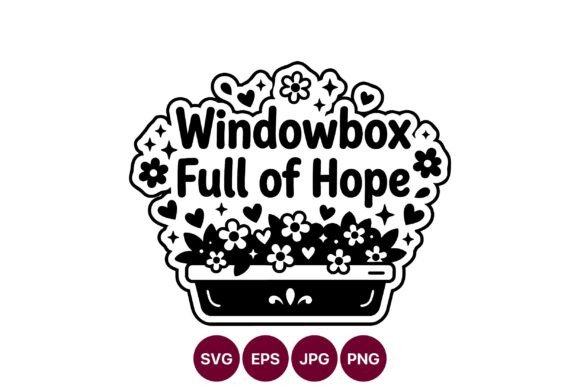
The first thing that stands out about Windowbox Full of Hope Vector Art is its gentle, inviting tone. The black and white vector art features a windowbox filled with flowers, surrounded by hearts and stars, with the phrase “windowbox full of hope” in rounded sans serif lettering. This combination creates a sense of comfort and optimism, making it perfect for projects that aim to connect emotionally with an audience.
The design feels handcrafted yet polished, blending elements of illustration and typography in a way that feels both fresh and timeless. It’s not overly complex, which makes it versatile, but it still has enough detail to feel meaningful when used in larger layouts or as a focal point.
Real-World Applications: From Brand Identity to Social Media Graphics
Windowbox Full of Hope Vector Art can be used across a wide range of design applications. For brand identity, it could serve as a subtle emblem or background element in a logo concept, especially for businesses in the wellness, home goods, or lifestyle sectors. In packaging design, it could appear on product labels, gift boxes, or promotional materials to reinforce a theme of positivity and care.
For social media graphics, this asset works well as a hero image or header for posts related to self-care, seasonal promotions, or community events. It also fits naturally into Canva templates, where users can easily layer it with other elements to create cohesive marketing visuals. As a Cricut project, it could be used for sticker design, t-shirt design, or printable wall art, offering a simple yet effective way to personalize products for clients.
In editorial design, it could act as a decorative accent in blog posts, newsletters, or magazine spreads focused on mindfulness, gardening, or personal growth. Its clean lines make it easy to integrate into web design or digital ads without overwhelming the layout.
Where It Excels: Large Layouts, Themed Collections, and Print-on-Demand Projects
This design shines in large layout areas where it can be scaled up without losing quality. It’s great for product mockups, especially for items like mugs, tote bags, or notebooks that benefit from a warm, handcrafted feel. As part of a themed collection, it could be paired with other illustrations or typography to create a cohesive set of design assets for a brand or campaign.
It also performs well in print-on-demand scenarios, where simplicity and clarity are key. Whether used as a standalone design or layered with other elements, it maintains a high level of visual appeal and professionalism. For small business branding, it adds a unique touch that can help differentiate a brand in a crowded market.
Where to Use It Carefully: Minimalist Branding and Corporate Materials
While Windowbox Full of Hope Vector Art is visually appealing, it may not be the best choice for minimalist branding or professional corporate materials. Its intricate details and whimsical elements might clash with a clean, no-nonsense design approach. In such cases, it could be better to opt for a more straightforward graphic design asset that aligns with the brand’s tone and messaging.
Additionally, it should be used carefully in crowded layouts or on complex backgrounds, where it might get lost or become visually confusing. When placed on low-contrast designs, it could also reduce readability, especially if the text is too small or the surrounding colors are too similar.
Design Considerations: Testing and File Quality
Before using Windowbox Full of Hope Vector Art for a client project, it’s important to test it in different contexts. Preview it at various sizes to ensure it remains legible and retains its visual integrity. Check how it looks on light and dark backgrounds, and consider adjusting contrast if needed.
If the download includes PNG files, inspect the transparency to make sure it’s clean and free of artifacts. For SVG files, confirm that they are editable and compatible with your design software. Also, review the commercial license to ensure it allows for use in client projects, especially if you’re working with a small business or Etsy product launch.
Compare it with different font styles—serif, sans serif, script, or display fonts—to see how it interacts with text. Sometimes, a slight change in typography can completely transform the look and feel of a design.
Why It Matters: Emotional Appeal and Brand Trust
Windowbox Full of Hope Vector Art has the potential to enhance emotional appeal and build trust with an audience. Its warm, hopeful tone can resonate with customers who are looking for products or services that reflect care, creativity, and positivity. This makes it particularly valuable for handmade businesses, local events, or seasonal campaigns that rely on storytelling and connection.
When used effectively, it can elevate the overall impression of a design project, making it feel more polished and intentional. It supports visual hierarchy by providing a clear focal point, while its simplicity helps maintain a clean and organized layout.
Final Thoughts: A Thoughtful Addition to Your Design Toolkit
Windowbox Full of Hope Vector Art is a versatile and expressive graphic design asset that can add a human touch to a wide range of projects. Whether you’re working on a small business branding initiative, a print-on-demand product, or a seasonal marketing campaign, it offers a fresh and uplifting visual language that can enhance the final result.
As with any design asset, it’s important to consider how it fits into the broader design strategy. But when used thoughtfully, it can make a meaningful difference in how a brand is perceived and how its message is communicated.