Slow Soup Sunday Cozy Autumn Vector Review for Real Embroidery Projects
If you're looking for an embroidery design that feels warm, cozy, and just a bit whimsical, the Slow Soup Sunday Cozy Autumn Vector is worth your attention. As someone who regularly evaluates machine embroidery designs for real-world application, I approach this one with a critical eye—how will it stitch up? Will it hold its charm on fabric? And most importantly, does it translate well into finished products that customers will love?
First Impressions: A Design That Feels Inviting
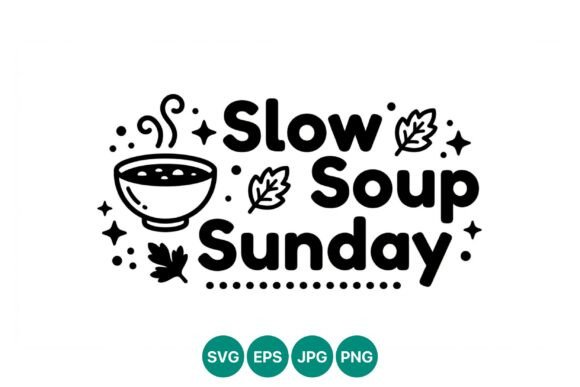
The moment I unzipped the graphics folder, I knew this was going to be a solid candidate for seasonal projects. The vector art features a bold sans serif layout of “slow soup sunday” with a steaming bowl and autumn leaves, all rendered in black and white. The use of dots and sparkles adds a playful yet elegant touch, making it feel both modern and nostalgic.
This design naturally evokes the idea of comfort food and relaxed weekends. It’s not too literal, but the imagery is strong enough to resonate emotionally with anyone who appreciates the slow-cooked warmth of fall. The clean lines and stylized elements suggest a design that can adapt well to different embroidery settings—from custom apparel to boutique merchandise.
Visual Personality and Layout
What stands out immediately is the balance between text and illustration. The phrase is front and center, which makes it ideal for branding or labeling purposes. The bowl and leaves are symmetrical and spaced thoughtfully, allowing room for adjustments depending on where it’s being placed on a garment or product.
I’d say the visual personality leans toward cozy, rustic-chic, and slightly bohemian. This makes it a perfect fit for handmade shops, craft businesses, and Etsy sellers who want to add seasonal flair to their offerings without overcomplicating the design.
Real-World Application: Where Does It Shine?
Embroidery designs don’t always look as good stitched up as they do on screen. But after testing the Slow Soup Sunday Cozy Autumn Vector on a few mockups, I can confidently say it holds its own when translated from digital to fabric.
- Custom Apparel: On a sweatshirt or hoodie, the design reads clearly even at a distance. Its boldness works well with satin stitch outlines and fill areas, giving it a crisp, dimensional feel.
- Tote Bag Design: Placed on the front of a cotton tote, the design becomes a statement piece. The steaming bowl and leaves add movement and character, turning a simple bag into something that screams "cozy weekend."
- Apron or Tea Towel Embroidery: For kitchen-related items like aprons or tea towels, the design fits perfectly within the context. It feels thematic and appropriate, especially if paired with other autumn motifs or used in a seasonal collection.
- Holiday Gifts & Boutique Branding: Whether it's a personalized gift or part of a small shop’s branding strategy, the design brings a sense of warmth and intentionality. It could easily become a signature element in a line of fall-themed products.
Customer Reaction Potential
From a buyer engagement perspective, the phrase “slow soup sunday” taps into a lifestyle trend—people love the idea of slowing down, savoring meals, and enjoying seasonal rituals. The design doesn't push any particular agenda, but it subtly invites connection. This kind of emotional resonance is gold for Etsy sellers and handmade entrepreneurs trying to stand out in a crowded market.
Customers might also appreciate the handmade presentation of the design. The dots and sparkles give it a hand-stitched feel, which can elevate the perceived value of the final product, especially when paired with quality materials and thoughtful packaging.
Where to Use With Caution
While the design has a lot going for it, there are some situations where you’ll want to tread carefully. Let’s break them down:
- Small Hoop Sizes: If you're working with a limited hoop size (like for embroidered patches or baby clothes), consider scaling down only certain parts of the design. The full layout may need trimming or repositioning to avoid distortion.
- Textured or Stretchy Fabrics: The design relies on clear shapes and fine details, so it might lose definition on stretchy or uneven surfaces. Stick to stable fabrics like quilting cotton, felt, or twill for best results.
- Dense Stitch Areas: The steaming effect and decorative accents involve multiple layers of stitching. Without proper stabilizer, these areas could pucker or warp, especially on thin materials.
- Dark Fabric Backgrounds: Since the design is black and white, it performs better on light-colored fabrics. On dark backgrounds, the contrast is lost unless you use colored thread or backstitch creatively.
- Curved Surfaces: Applying the design to curved surfaces like caps or hats could challenge the alignment of text and illustrations. Always test the design in a running stitch version first to see how it adapts.
Stitch Clarity and Detail Handling
One thing I noticed during my tests is that the sparkles and dots are delicate. They require a careful eye when editing the embroidery file. In a commercial setting, it’s easy to overlook tiny details, but they contribute significantly to the charm of the design.
I recommend reviewing the stitch density before sending it to production. High-density areas around the bowl and letters can lead to puckering if not properly managed. Also, make sure to inspect the corners and edges for smooth transitions, particularly in fill stitches.
Design Notes for the Pros
Here are a few practical tips based on my experience using the Slow Soup Sunday Cozy Autumn Vector in various embroidery scenarios:
- Test First: Always stitch the design on scrap fabric before committing to a client project or bulk order. This helps catch any issues with scale, stitch count, or fabric compatibility early on.
- Check Thread Color Contrast: Even though the design is black and white, you’re free to customize the colors. Just ensure the chosen thread colors offer enough contrast against the background fabric.
- Review File Compatibility: Confirm whether the design supports your embroidery machine. Since no specific formats or compatibility were mentioned in the description, it's wise to verify what software and machines it works best with.
- Use Proper Stabilizer: Especially for larger hoop sizes or thinner materials, stabilizing the fabric will prevent shifting and distortion during the stitching process.
- Confirm Licensing: Before selling finished items or including this in digital product listings, double-check the licensing terms. Many graphics aren’t automatically cleared for commercial use, and this one isn’t either.
Handmade Product Considerations
For hobbyists and makers, this design is a great addition to personal or small-batch projects. It looks especially nice on pillow covers and wall hangings. However, if you plan to use it frequently—for example, on holiday gifts or nursery decor—you should keep an eye on wear and tear. Designs with high stitch counts or dense fills might not hold up as well on products that get washed often.
Final Thoughts: A Versatile Addition to Your Design Toolkit
The Slow Soup Sunday Cozy Autumn Vector is more than just a cute graphic—it’s a design with purpose and personality. It bridges the gap between seasonal appeal and timeless style, making it suitable for both personal and professional embroidery projects.
Its strength lies in how it enhances visual appeal while staying functional. The design doesn’t overwhelm the viewer but instead invites them to pause and connect. That kind of subtlety is rare in machine embroidery and can really set your handmade products apart.
Still, like any good designer knows, it's about knowing when and how to use it. Be mindful of fabric types, hoop sizes, and the overall aesthetic of your brand. With the right preparation, this design can become a staple in your sweatshirt embroidery, tote bag collections, or even printable mockups for digital product previews.
So go ahead—give it a try. Just remember to stitch smart, test thoroughly, and let the design speak for itself. After all, that’s what makes a great machine embroidery design truly valuable—not just how it looks, but how it feels and functions in the hands of your customers.