Mental Health Neurotransmitters: A Graphic Design Asset That Balances Humor and Branding
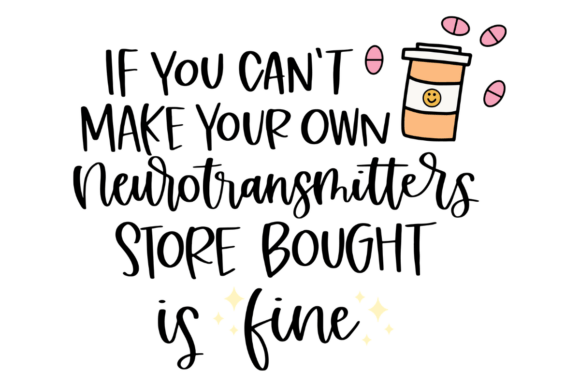
As a brand designer and content marketer with years of experience in visual storytelling, I recently reviewed the Mental Health Neurotransmitters design asset for potential use in a real marketing project. The product’s charm immediately caught my attention—its hand-drawn pill bottle paired with a clever phrase, “If You Can’t Make Your Own Neurotransmitters, Store Bought Is Fine,” offers a fresh take on mental health awareness while maintaining a professional and approachable tone.
A Warm First Impression for Creative Brands
The first thing that stands out is how this graphic design asset makes an emotional impact. It doesn’t just communicate a message; it invites connection. The playful yet supportive vibe aligns well with lifestyle brands, wellness entrepreneurs, and small businesses aiming to build relatable, human-centric branding. This kind of illustration feels more like a conversation than a sales pitch, which can be incredibly valuable in today's crowded digital space.
Its hand-drawn style suggests authenticity and creativity—perfect for crafts, handmade products, or indie brands. The humor subtly softens what could otherwise be a heavy topic, making it accessible and engaging. For marketers targeting younger demographics or those who appreciate lighthearted, modern design, this asset could be a game-changer.
Practical Use in Marketing Campaigns and Visual Content
I considered integrating Mental Health Neurotransmitters into several campaign components, from social media posts to packaging inserts. In each scenario, the design brought a consistent tone that elevated the overall visual narrative without overwhelming the viewer. Here are some key areas where it performed exceptionally well:
- Brand identity: The illustration adds personality to brand visuals, especially when used as part of a larger set of supporting graphics.
- Logo design: While not a logo itself, it complements logos with similar whimsical styles, helping maintain a cohesive look across all assets.
- Packaging design: When placed on product labels or inserts, it brings a sense of care and intentionality—important for building audience trust.
- Social media graphics: The asset works particularly well for Instagram posts and Pinterest pins, where eye-catching and emotionally resonant visuals drive engagement.
- Blog headers and website banners: As a header graphic, it sets the tone for content focused on mental health, self-care, or creative lifestyles.
- Email campaigns: Used as a banner in newsletters, it helps create stronger first impressions and reinforces the brand’s supportive voice.
Supporting Stronger Visual Hierarchy and Audience Connection
One of the most important aspects of any graphic design asset is its ability to support clear visual hierarchy. Mental Health Neurotransmitters does this well. Its bold colors and central focal point (the pill bottle) naturally draw the eye, making it easy to layer over text or background elements without losing clarity. This is essential for digital ads, web headers, and even print-based promotions like posters or flyers.
From a content marketing perspective, the illustration supports emotional connection. It speaks directly to people who may feel overwhelmed by the pressures of daily life but still want to maintain a sense of humor and hope. This emotional resonance can translate into better engagement, stronger recognition, and a more memorable campaign overall.
Where This Design Shines in Real-World Applications
This asset fits seamlessly into several types of marketing materials. Here are a few standout uses:
- Hero graphics: The design could anchor a landing page or blog post about mental health, acting as both a visual hook and a thematic statement.
- Campaign headers: Ideal for launching a new line of wellness products or seasonal promotions around mental health awareness days.
- Product launch visuals: Adds a unique flair to announcements for digital products or physical items related to mindfulness and self-care.
- Branded templates: Works great within Canva templates for email signatures, social media covers, or promotional banners.
- Editorial layouts: Particularly effective in magazines or blogs that focus on mental wellness, lifestyle, or creative entrepreneurship.
- Decorative brand elements: Can serve as accents on merchandise, stickers, or packaging, reinforcing a brand’s friendly and supportive image.
Limitations and Cautions for Marketers
While Mental Health Neurotransmitters is a versatile and expressive design, there are certain contexts where it might not perform as well. If your brand leans toward formal corporate imagery or minimalist aesthetics, this illustration could feel out of place. Its playful nature works best in environments where warmth and relatability are key.
It should also be used carefully in text-heavy ads or dense information layouts. The design has enough detail to stand out, but if layered too much with other graphics or text, it can lose its effectiveness. Additionally, avoid placing it on low-contrast backgrounds unless you're prepared to tweak the file for visibility. Always preview it on mobile screens to ensure legibility and impact at smaller sizes.
Key Considerations for Brand Integration
Before finalizing this creative design for a client or personal project, I made a list of practical checks to ensure it would work well within a broader brand system:
- Test it with the brand color palette: Ensure the illustration blends or contrasts effectively depending on the desired mood.
- Check black and white usage: Evaluate how it looks in grayscale, especially if printed or displayed on monochrome devices.
- Place it inside real campaign mockups: See how it interacts with headlines, call-to-action buttons, and other design elements.
- Preview it on mobile screens: Confirm that it remains readable and visually appealing at reduced sizes.
- Test readability in small sizes: Important for icons, thumbnails, or sidebar widgets in digital content platforms.
- Compare it against competitor visuals: Determine if it differentiates your brand or simply adds to the noise.
- Check how it pairs with font styles: Whether using serif, sans-serif, script, handwritten, or display fonts, the design maintains a balanced aesthetic.
- Review spacing and balance: Ensure it doesn’t disrupt the layout’s flow when placed alongside other graphics or text.
- Confirm commercial licensing: Before using it in paid campaigns, client work, or branded materials, verify that the asset includes proper permissions for commercial use.
Why This Is a Valuable Addition to Any Creative Toolkit
In a time when mental health conversations are more mainstream than ever, having a design that addresses these themes with empathy and wit is rare and powerful. Mental Health Neurotransmitters isn’t just a clipart or stock illustration—it’s a thoughtfully crafted SVG design that can scale beautifully for various uses. From printable designs to digital product visuals, it adapts well to multiple formats.
For content creators and small business owners, this asset can help build a more authentic and recognizable brand presence. It’s suitable for creating lead magnets, media kits, and even custom Canva templates tailored to mental wellness niches. And because it’s part of a design bundle in many cases, it can be combined with other illustrations to build out a full visual toolkit for branding projects.
Final Thoughts for Designers and Marketers
After testing Mental Health Neurotransmitters in a range of scenarios—from editorial layouts to Facebook ad mockups—I can confidently say it’s a strong addition to any marketing visuals strategy that values both professionalism and personality. It supports mental health messaging with a touch of humor, which is exactly what today’s audiences often respond to.
Whether you're working on graphics for a wellness startup, refreshing your social media content, or designing packaging for a new product line, this illustration has the potential to elevate your message. Just remember to evaluate how it aligns with your brand’s voice and visual language before committing to large-scale use.
If you’re looking for a graphic design asset that balances creativity with purpose, Mental Health Neurotransmitters is definitely worth considering. It’s not just a design—it’s a conversation starter, a brand enhancer, and a visual tool that can make your content more engaging and meaningful.