Gluten Free SVG: A Charming Design Asset for Crafts and Graphics
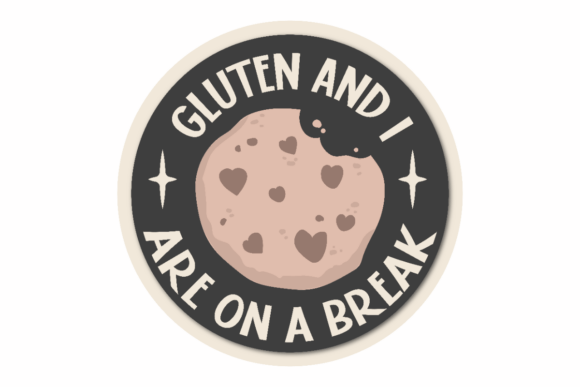
As a seasoned graphic designer, I often find myself sifting through design assets to see if they can elevate a client’s project beyond the ordinary. When I first encountered Gluten Free SVG, I was drawn in by its playful yet poignant concept—turning dietary restrictions into a relatable and even humorous visual metaphor. The design features an aesthetic cookie with a clear message of food sensitivity awareness, wrapped in a charmingly modern illustration style. It immediately stood out as something that could resonate well with clients who want to inject personality and empathy into their branding or product visuals.
A Visual Mood That Balances Whimsy and Awareness
The Gluten Breakup SVG creates a lighthearted but meaningful mood. It’s not just a cute clipart; it’s a carefully crafted piece of creative design that subtly communicates health consciousness without being overtly serious. The use of soft curves, pastel colors, and a slightly distressed texture gives it a handmade, artisanal feel that aligns perfectly with handmade businesses, boutique brands, and seasonal campaigns aimed at wellness-conscious audiences.
This kind of design works particularly well when the goal is to humanize a brand or add a touch of humor to educational content. For instance, in a small business focused on gluten-free baking supplies or a blog discussing lifestyle changes for Celiac disease, this asset could serve as a powerful visual anchor that reinforces the message while keeping the tone warm and approachable.
Stylistic Notes and Project Fit
Visually, Gluten Free SVG blends whimsical iconography with a clean layout. The central character—a cookie—is stylized with attention to detail, making it versatile enough to be used across multiple formats. The accompanying text adds emotional appeal, turning a simple graphic into a conversation starter. This makes it ideal for designers working on social media graphics, product labels, or packaging design where storytelling and relatability are key.
I can see this asset fitting naturally into:
- Brand identity for eco-friendly or health-focused startups
- Editorial design for wellness magazines or digital newsletters
- Print-on-demand items like mugs, tote bags, and stickers
- Cricut projects where customization and charm are valued
- Etsy products such as printable wall art or themed greeting cards
Performance in Real Design Projects
One of the most important aspects of any graphic design asset is how it functions in real-world applications. I tested Gluten Free SVG in several scenarios to determine its versatility and effectiveness:
Logo Design and Brand Identity
Incorporating this SVG into a logo might work if the brand voice is casual and community-driven. However, due to the detailed nature of the cookie illustration, I would recommend using it more as a supporting element rather than the primary logo mark. It could appear in secondary logos, icons, or mascot-style illustrations for packaging or website headers.
Product Mockups and Packaging
When placed on product mockups—especially jars, boxes, or tins for gluten-free treats—it enhances the overall visual trust of the product. The design feels authentic and appeals to those with food sensitivities. The PNG version also allows for seamless layering over textures or gradients, which is great for packaging design that needs to look tactile and premium.
Social Media and Web Design
On Instagram posts or Pinterest pins, the SVG acts as a strong focal point. Its visual warmth and relatability help increase audience engagement. In web design, it could serve as a decorative accent in hero sections, especially for sites promoting natural foods, self-care routines, or allergy-friendly lifestyles. Just ensure there’s sufficient contrast between the asset and background to maintain readability.
Printable Designs and Merchandise
For print-on-demand sellers or those running a seasonal campaign, Gluten Free SVG shines. It translates well to merchandise like t-shirts, aprons, and reusable grocery bags. The file format is optimized for both print and digital use, making it a solid choice for commercial design purposes. If you're planning to offer it as part of a design bundle, pair it with other related SVGs or PNGs that match its tone and style.
Where It Works Best and Where to Be Careful
While Gluten Free SVG has broad appeal, it's crucial to understand where it will perform optimally and where it may need adjustment:
Best Suited For
- Large layout areas: The detailed elements show up beautifully on bigger canvases.
- Hero graphics: As a main visual, it adds charm and personality to marketing materials.
- Themed collections: Perfect for cohesive sets around food allergies or healthy living.
- Supporting brand elements: Use it as a motif in patterns, backgrounds, or subtle accents.
- Printable designs: Especially for Etsy shops or Canva templates targeting crafters and DIY enthusiasts.
Use With Caution
- Small sizes: The intricate details may become lost or pixelated if scaled too tiny.
- Crowded layouts: Avoid placing it in overly complex compositions where it might get visually overwhelmed.
- Professional corporate materials: Its casual and artistic style may not align with formal or minimalist branding guidelines.
- Low-contrast designs: Make sure to test it against different color schemes to preserve legibility.
Design Readability and Brand Consistency
Readability is a top concern when using illustrative SVGs. While the cookie itself is easily recognizable, the accompanying text should be evaluated for clarity. Depending on the font used, it could either enhance or clash with your brand identity. I recommend comparing it with various typefaces—serif, sans serif, script, and display fonts—to ensure it complements your chosen typography.
From a brand consistency standpoint, Gluten Free SVG offers a unique opportunity to build a narrative around food sensitivity. It helps create a consistent visual language that speaks directly to a specific audience, increasing brand recognition and emotional appeal. When used thoughtfully, it can make your client’s offerings feel more personal and inclusive.
Practical Designer Tips Before Commercial Use
Before incorporating Gluten Free SVG into a professional project, consider the following checks:
- Test it in black and white: Assess whether the design still conveys the same mood and message without color.
- Check contrast on light and dark backgrounds: Ensure the PNG remains visible and readable across all variations.
- Preview at small and large sizes: Confirm that scaling doesn’t compromise quality or legibility.
- Place it on real mockups: See how it interacts with actual product surfaces or environments.
- Test print quality: Especially if it’s going to be used on physical goods like stickers or apparel.
- Review file formats: Make sure both SVG and PNG files are included and properly formatted for editing and use.
- Inspect PNG transparency: If layered over other images or textures, the transparent background is essential.
- Confirm commercial licensing: Always verify that the design can be used for commercial design before assigning it to a client project.
Emotional Appeal and Audience Engagement
What really sets Gluten Free SVG apart is its ability to connect emotionally. It turns a common struggle—dealing with dietary limitations—into a visual symbol of solidarity and humor. This makes it incredibly valuable for content creators and bloggers looking to engage readers with authenticity and empathy.
For marketers and small business owners, it’s a way to stand out in crowded markets. Imagine using it in a flyer for a gluten-free bakery or as part of a branded gift set. It adds a sense of humor and understanding that can foster customer loyalty and word-of-mouth sharing.
Designing Around It: Font Pairings and Layout Balance
I experimented with pairing Gluten Free SVG with different fonts to evaluate how it affects the overall visual hierarchy. Here’s what I found:
- Serif fonts (like Georgia or Playfair Display) created a warm, nostalgic feel, which worked for heritage-based food brands.
- Sans serif fonts (such as Montserrat or Lato) gave the design a cleaner, more contemporary edge, suitable for modern crafts and digital platforms.
- Script and handwritten fonts added a personal touch, making it ideal for sticker design or invitation templates.
- Display fonts were a bit overpowering, so I’d suggest using them sparingly if at all.
Layout balance is also important. Since the design is quite detailed, avoid surrounding it with similarly busy elements. Give it space to breathe so it maintains its charm and doesn’t lose impact.
Final Thoughts for Creative Professionals
After thorough testing and evaluation, I can confidently say Gluten Free SVG is a strong contender for many creative projects. Whether you’re designing for a local event, creating digital ads, or curating a graphics bundle, this asset brings a fresh perspective and emotional depth that’s hard to replicate with generic stock graphics.
It’s especially useful in modern design contexts where relatability and a human touch are needed. From Canva templates to sublimation design projects, Gluten Free SVG offers a blend of aesthetics and messaging that supports a wide range of creative uses.
However, designers must remember that context is everything. While it’s perfect for certain types of crafts and graphics, it may not suit every brand or campaign. Always review the asset in relation to your client’s goals, target audience, and visual standards.
If you’re considering using Gluten Free SVG for a real client project, I recommend starting with a mockup or prototype. Test it in various formats and file types, and always confirm commercial license permissions. Done right, it can be a standout addition to your design toolkit—one that helps tell a story, builds connection, and elevates the final product with ease and elegance.