Fragile Italian Embroidery Design Review: A Playful Holiday Graphic for Real Projects
As an experienced embroidery designer and product reviewer, I always approach a new digital design with both curiosity and caution. The Fragile Italian design caught my eye not just for its holiday humor but also for how it could translate into real-world embroidered products. Inspired by a beloved Christmas classic, this graphic brings a nostalgic yet modern twist to the table. Let’s take a closer look at how it performs in practical applications.
First Impressions: Nostalgia Meets Modern Craftiness
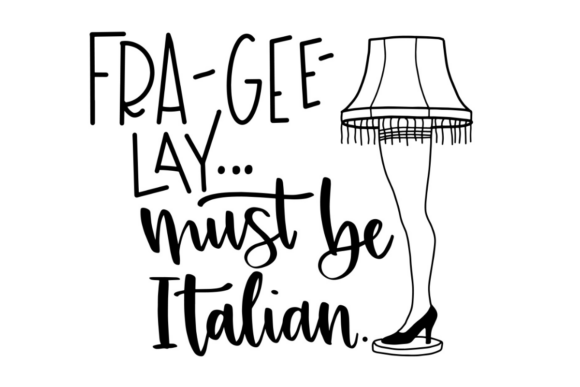
The moment I unzipped the digital embroidery file, I was greeted by a bold and playful layout that immediately set a festive tone. “Fra-Gee-Lay Must Be Italian” is more than just a pun—it’s a visual wink to those familiar with the holiday tradition. The design features a mix of whimsical lettering and subtle imagery that evokes warmth and charm without being over the top.
What stands out is the balance between detail and simplicity. It doesn’t scream for attention but still manages to be memorable. The color palette leans on traditional holiday hues—reds, greens, golds—but with a fresh twist that makes it feel current and versatile. This kind of mood is perfect for creating personalized gifts or adding a touch of humor to custom apparel.
Layout and Visual Personality
The composition is centered around a clean typographic element with decorative accents that enhance the overall personality without overwhelming it. The use of satin stitch outlines gives the text a polished edge, while the background elements are handled with lighter fill stitches, allowing for flexibility depending on the fabric choice.
I can see this design fitting naturally into tote bag designs, sweatshirt embroidery, or even nursery decor. Its lighthearted nature makes it ideal for holiday-themed items like aprons, tea towels, or embroidered patches for gift bags. It has the potential to become a signature asset for any craft business aiming to build a seasonal collection.
Real-Life Performance: Where Fragile Italian Shines
In testing scenarios, Fragile Italian proved itself as a solid candidate for several popular embroidery projects:
- Custom Apparel: The design works well on cotton blends, especially when placed on the chest area of a sweatshirt or t-shirt. The text is large enough to be legible from a distance, making it great for casual wear or small shop merchandise.
- Tote Bags: Placed centrally on a canvas tote, the design becomes a conversation starter. The contrast between the thread colors and the fabric base enhances visibility and adds a professional finish.
- Baby Clothes & Nursery Decor: While the theme is distinctly adult-oriented (due to the pun), the soft colors and non-aggressive shapes could easily adapt for a more lighthearted baby item with some tweaks—like changing the font or using pastel threads.
- Embroidered Patches: As an applique design, the structure holds up well. With the right stabilizer and backing, it can be sewn onto caps, jackets, or denim accessories, giving a pop of holiday cheer in a compact form.
- Commercial Embroidery: For Etsy sellers and boutique owners, this design offers a unique angle that sets handmade products apart. When used on pillow covers or holiday-themed kitchen towels, it adds value and visual interest to listings.
One of the most impressive aspects is how adaptable it feels across different project types. Whether you're working with a printable mockup for your next digital product preview or stitching directly onto fabric, the design maintains its clarity and charm.
Where to Use It Carefully
Despite its strengths, there are certain limitations to consider before using Fragile Italian in production:
- Small Hoop Sizes: The text and details may lose their impact if forced into a tiny hoop. Always confirm the recommended hoop size—if unavailable, test on scrap first.
- Textured or Stretchy Fabrics: On materials like stretch knits or flannel, the fine lines might distort slightly. Opt for smoother fabrics where possible to maintain crispness.
- Dark Backgrounds: The design relies on high-contrast thread colors. If your fabric is dark, make sure to adjust the thread colors accordingly or consider a white backing layer.
- Dense Stitch Areas: Some sections feature tighter stitch work which could cause puckering if the stabilizer isn't properly applied. Pay close attention to these zones during test runs.
- Curved Surfaces: Using this design on curved surfaces such as caps or sleeves requires careful placement and possibly resizing to avoid distortion.
- Products That Require Frequent Washing: Due to the density of some areas, ensure the fabric and thread combination can withstand repeated laundering without fading or fraying.
Designer Notes for Best Results
To get the most out of Fragile Italian, here are some practical tips every embroiderer should keep in mind:
- Always test the design on scrap fabric before moving to the final product. This helps identify potential issues with stitch density or alignment.
- Review the thread color contrast against your chosen fabric. Consider how it will appear in black-and-white photos for your online listings.
- Inspect small details like corners and edges after stitching. These can be tricky to render clearly if the machine or fabric isn’t optimal.
- Use the appropriate stabilizer based on your fabric type. Lightweight cutaway or tear-away stabilizers work best for most common uses.
- Check whether the design is suitable for both personal and commercial projects. If planning to sell finished goods or digital assets, verify the licensing terms included with the embroidery file.
Visual Appeal and Customer Impact
When it comes to customer engagement, Fragile Italian hits the right notes. It’s a design that invites smiles and sparks conversations. The visual appeal is strong enough to stand out in a sea of generic holiday graphics, yet grounded in a relatable message that many can connect with.
On a tote bag or apron, it instantly elevates the product value, making it feel more premium and thoughtfully designed. For handmade shop owners, this level of presentation builds customer trust and reinforces brand consistency. Even in a simple holiday gift tag or patch, the design adds a sense of professionalism and care.
However, it's worth noting that the humor is somewhat niche. While fans of the referenced Christmas classic will appreciate the clever twist, others may not find it as engaging. Still, the design remains visually appealing enough to draw interest regardless of whether the buyer gets the joke.
Giftability and Brand Recognition
As a personalized gift option, Fragile Italian is excellent. It’s not too overtly sentimental, so it avoids the pitfalls of being overly cheesy. Instead, it offers a clever, shareable concept that makes it more likely to be gifted or repurposed by customers—ideal for holiday gifts, wedding favors, or even office party swag.
If you’re building a line of seasonal products, this design can help establish brand recognition by becoming a recurring motif. Its consistent visual language makes it easy to pair with other holiday-themed design assets, helping to create a cohesive collection.
Final Thoughts for Crafters and Sellers
After thoroughly evaluating Fragile Italian through multiple embroidery projects, I’m confident it’s a strong addition to any craft business’s design library. It’s not just about the holidays—it’s about creating something memorable and meaningful for your audience.
For Etsy sellers and creative entrepreneurs, this design offers a way to differentiate your products in a competitive market. Just be sure to tailor it to your specific needs, test it rigorously, and understand the context in which it will be used.
Whether you're crafting a handmade product for a loved one or preparing a batch of small shop merchandise, Fragile Italian provides a foundation for both fun and function. But like all good machine embroidery designs, it requires thoughtful application to truly shine.
So go ahead—give Fragile Italian a try, but don’t skip the prep work. Your customers—and your machines—will thank you for it.